Your How many volts does an alternator put out images are ready. How many volts does an alternator put out are a topic that is being searched for and liked by netizens now. You can Download the How many volts does an alternator put out files here. Get all free vectors.
If you’re looking for how many volts does an alternator put out pictures information linked to the how many volts does an alternator put out keyword, you have come to the ideal blog. Our website frequently gives you suggestions for refferencing the maximum quality video and image content, please kindly surf and find more enlightening video articles and graphics that fit your interests.
How Many Volts Does An Alternator Put Out. The alternator should be tested with the engine idling and electrical accessories such as the radio and headlights turned off. Under that and the car installation and battery isnt getting enough electric power. Over 145 volts can cause serious damage to the alternator and car battery. The alternator should be tested with the.
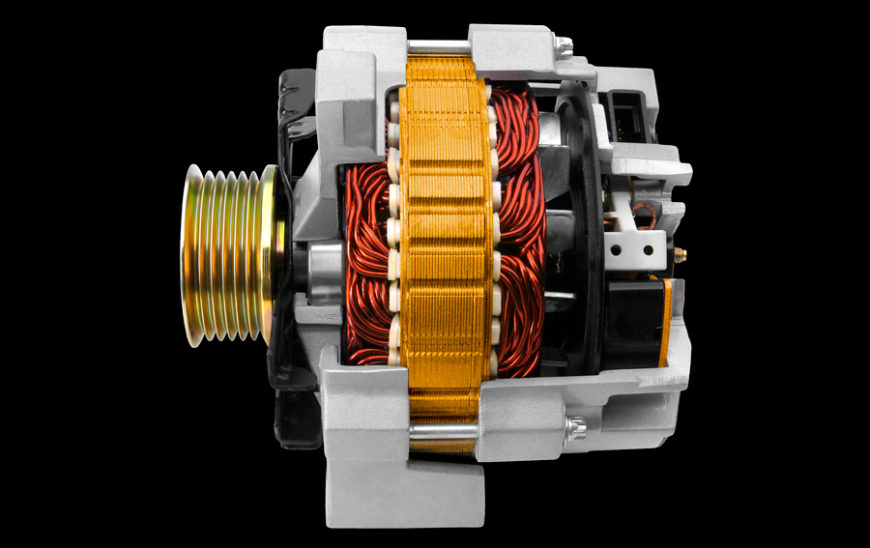 How Does An Alternator Work Autozone From autozone.com
Over 145 volts can cause serious damage to the alternator and car battery. Since the alternator field uses power from the 12 Volt battery it was not something that could be used for an indefinite period of time without draining the battery as it is not being re-charged when the output is switched to 110 Volts DC. An alternator should put out between 135 and 15 volts of power. The alternator should be tested with the. Still its perfectly normal for others to see the alternator not charge at all intermittently. Automotive electronics are designed to run from 9-16 volts although some more critical parts run an expanded range of 6-18 volts.
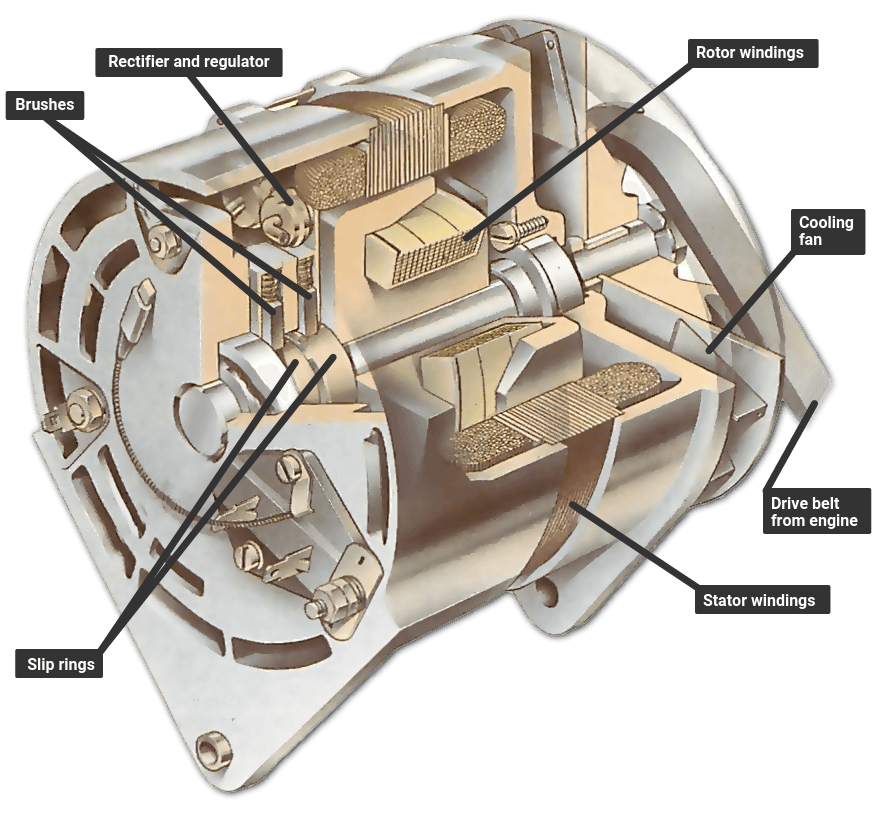
Three-phase alternators have three sets of windings.
Remember this is alternator-not engine speed. Wiki User Answered 2011-01. Good alternators measure the voltage at the battery terminals and use whatever voltage at the alternator that is required to obtain good voltage at the battery terminals. When working properly the three windings produce three currents that make up the three phases. This is enough to destroy the cars battery and electrical system. Even at idle it would be a crude old regulator that put out 135-14v as opposed to 144 measured at the alternator output or the battery terminals.
 Source: nl.pinterest.com
Asked by Wiki User. For some a constant 136 volts is an indication of a problem. One method of doing this is to use the alternators to recharge storage batteries. We generally are required to pass testing running 18 volts for 60 minutes with our designs at the moment I design all of the electronics for instrument clusters but Ive work on. An alternator should put out between 135 and 15 volts of power.
 Source: pinterest.com
Adding all three together produces the total AC output of the stator. So as a summary you should be measuring the voltage at the battery terminals. When working properly the three windings produce three currents that make up the three phases. The amperage output is usually listed as the maximum output of the alternator. Since the alternator field uses power from the 12 Volt battery it was not something that could be used for an indefinite period of time without draining the battery as it is not being re-charged when the output is switched to 110 Volts DC.
 Source: pinterest.com
Over 145 volts can cause serious damage to the alternator and car battery. Wiki User Answered 2011-01. The voltage should remain high with these circuits on. A stretched or slipping alternator drive belt may cause the alternator to not produce a full charge. Typically a 12 volt DC unit will begin making power around 1000 rpms.
 Source: knowyourparts.com
We generally are required to pass testing running 18 volts for 60 minutes with our designs at the moment I design all of the electronics for instrument clusters but Ive work on. Over 145 volts can cause serious damage to the alternator and car battery. Typically a 12 volt DC unit will begin making power around 1000 rpms. After taking the voltage output reading remove the tester cables. This voltage will be maintained when the battery is fully charged and the electrical load is low.
Source: autozone.com
If the voltage dips below the optimal range then the regulator kicks in to get the alternator to make more voltage. Keep in mind up to its max output level alternators are designed to keep the electrical system at a constant voltage usually between 135 and 145. By using Ohms Law you can calculate that when amperage goes up voltage. The voltage should remain high with these circuits on. This voltage will be maintained when the battery is fully charged and the electrical load is low.
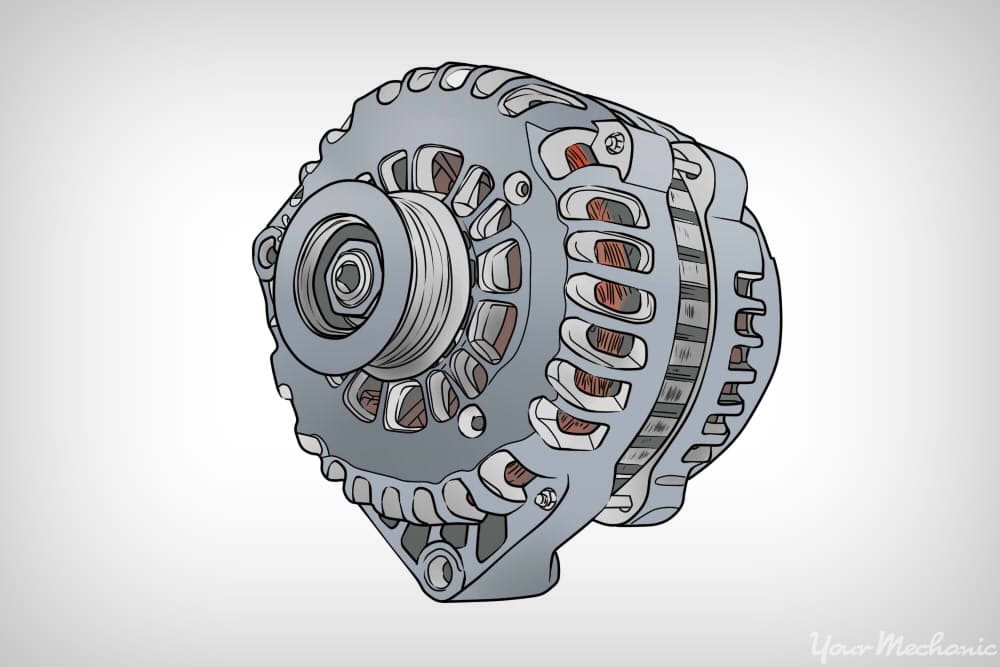 Source: yourmechanic.com
Automotive electronics are designed to run from 9-16 volts although some more critical parts run an expanded range of 6-18 volts. Since the alternator field uses power from the 12 Volt battery it was not something that could be used for an indefinite period of time without draining the battery as it is not being re-charged when the output is switched to 110 Volts DC. The voltage regulator is usually found inside or on the back of the alternator case. So basic 50-watt headlamps are only going to pull maybe 4A 50W 135V even if your big amp is drawing many times more than that. The curve is not straight either.
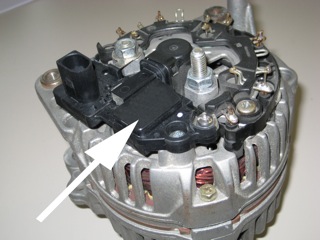 Source: my-cardictionary.com
A stretched or slipping alternator drive belt may cause the alternator to not produce a full charge. Alternator output is most definitely determined by alternator speed. Since an alternators output can vary both up and down from 135V in real-world situations its actual output limits will vary from the idle and rated numbers. Can a car alternator power a house. Ideally the GM alternator should be putting out anywhere between 135 and 145 volts.
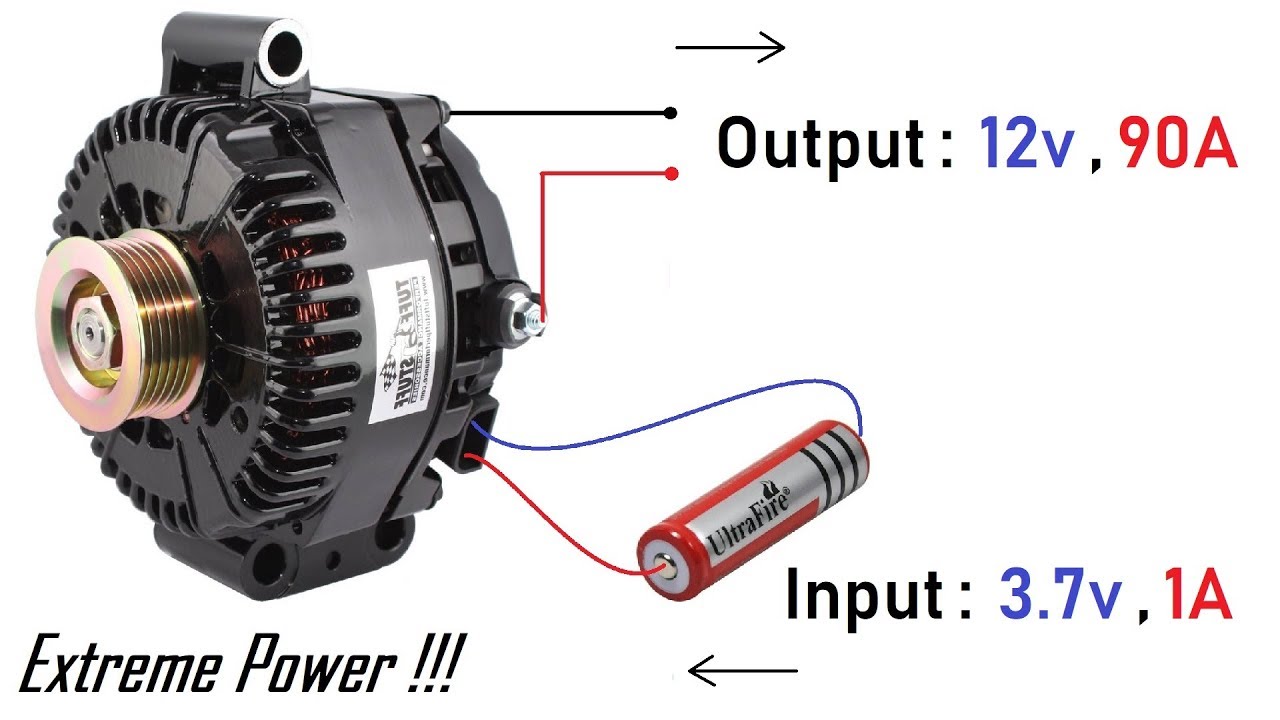 Source: youtube.com
My 2004 Civic even with its replacement alternator had to be revved up past 3000 to reach max voltage. Over 145 volts can cause serious damage to the alternator and car battery. This voltage will be maintained when the battery is fully charged and the electrical load is low. By using Ohms Law you can calculate that when amperage goes up voltage. Ideally the GM alternator should be putting out anywhere between 135 and 145 volts.
 Source: pinterest.com
For others its normal to see as high as 16 volts for long stretches. Theyre more efficient than a single-phase alternator which produce a single-phase AC current. Adding all three together produces the total AC output of the stator. Three-phase alternators have three sets of windings. Still its perfectly normal for others to see the alternator not charge at all intermittently.
 Source: pinterest.com
For others its normal to see as high as 16 volts for long stretches. Both locations will be the same IF the alternator sense lead is connected to the batteries properly as it often isnt on a boat chuckg5. A good alternator should put out between 135-145 volts. An alternator should put out between 135 and 15 volts of power. Over 145 volts can cause serious damage to the alternator and car battery.
 Source: pinterest.com
Good alternators measure the voltage at the battery terminals and use whatever voltage at the alternator that is required to obtain good voltage at the battery terminals. Theyre more efficient than a single-phase alternator which produce a single-phase AC current. The alternator should be tested with the. The voltage should read a minimum of 13 volts. Without a voltage regulator an alternator may put out up to 250 volts.
 Source: pinterest.com
So as a summary you should be measuring the voltage at the battery terminals. Still its perfectly normal for others to see the alternator not charge at all intermittently. Theyre more efficient than a single-phase alternator which produce a single-phase AC current. Since the alternator field uses power from the 12 Volt battery it was not something that could be used for an indefinite period of time without draining the battery as it is not being re-charged when the output is switched to 110 Volts DC. Over 145 volts can cause serious damage to the alternator and car battery.
 Source: pinterest.com
The voltage should remain high with these circuits on. The voltage regulator is usually found inside or on the back of the alternator case. So basic 50-watt headlamps are only going to pull maybe 4A 50W 135V even if your big amp is drawing many times more than that. In order to determine how much amperage a component is going to draw you can divide its wattage by the voltage of the system. On a 12 volt system the high cutout voltage should be between 143 - 149 depending on the voltage regulator installed on your alternator.
 Source: pinterest.com
By using Ohms Law you can calculate that when amperage goes up voltage. So basic 50-watt headlamps are only going to pull maybe 4A 50W 135V even if your big amp is drawing many times more than that. For others its normal to see as high as 16 volts for long stretches. Theyre more efficient than a single-phase alternator which produce a single-phase AC current. For some alternators its normal to see as low as 13 volts.
 Source: pinterest.com
The alternator should be tested with the. An alternator should put out between 135 and 15 volts of power. Asked by Wiki User. Remember this is alternator-not engine speed. The opposite happens when voltage levels read too high.
 Source: pinterest.com
The Normal Alternator Output Voltage Normal Output. In order to determine how much amperage a component is going to draw you can divide its wattage by the voltage of the system. Over 145 volts can cause serious damage to the alternator and car battery. Theyre more efficient than a single-phase alternator which produce a single-phase AC current. This is enough to destroy the cars battery and electrical system.
 Source: howacarworks.com
This voltage will be maintained when the battery is fully charged and the electrical load is low. The last number is 135V which is VT or the voltage that the alternator was held at during the test. An alternator should put out between 135 and 15 volts of power. So as a summary you should be measuring the voltage at the battery terminals. Can a car alternator power a house.
 Source: blog.nationwide.com
Even at idle it would be a crude old regulator that put out 135-14v as opposed to 144 measured at the alternator output or the battery terminals. Wiki User Answered 2011-01. The last number is 135V which is VT or the voltage that the alternator was held at during the test. Adding all three together produces the total AC output of the stator. Jump to Latest Follow 1 - 7 of 7 Posts.
This site is an open community for users to do submittion their favorite wallpapers on the internet, all images or pictures in this website are for personal wallpaper use only, it is stricly prohibited to use this wallpaper for commercial purposes, if you are the author and find this image is shared without your permission, please kindly raise a DMCA report to Us.
If you find this site helpful, please support us by sharing this posts to your preference social media accounts like Facebook, Instagram and so on or you can also bookmark this blog page with the title how many volts does an alternator put out by using Ctrl + D for devices a laptop with a Windows operating system or Command + D for laptops with an Apple operating system. If you use a smartphone, you can also use the drawer menu of the browser you are using. Whether it’s a Windows, Mac, iOS or Android operating system, you will still be able to bookmark this website.


