Your How often do bucks check their rubs images are ready in this website. How often do bucks check their rubs are a topic that is being searched for and liked by netizens now. You can Get the How often do bucks check their rubs files here. Find and Download all free photos.
If you’re looking for how often do bucks check their rubs images information linked to the how often do bucks check their rubs interest, you have pay a visit to the ideal site. Our site always gives you hints for viewing the highest quality video and picture content, please kindly hunt and locate more enlightening video articles and graphics that fit your interests.
How Often Do Bucks Check Their Rubs. Buck rubs begin in early September and continue throughout the breeding season. Heres my understanding about rubs. However once the rut is over big bucks will almost always return to their core areas. Yearling bucks on the other hand only make about 400 to 500 rubs a year.
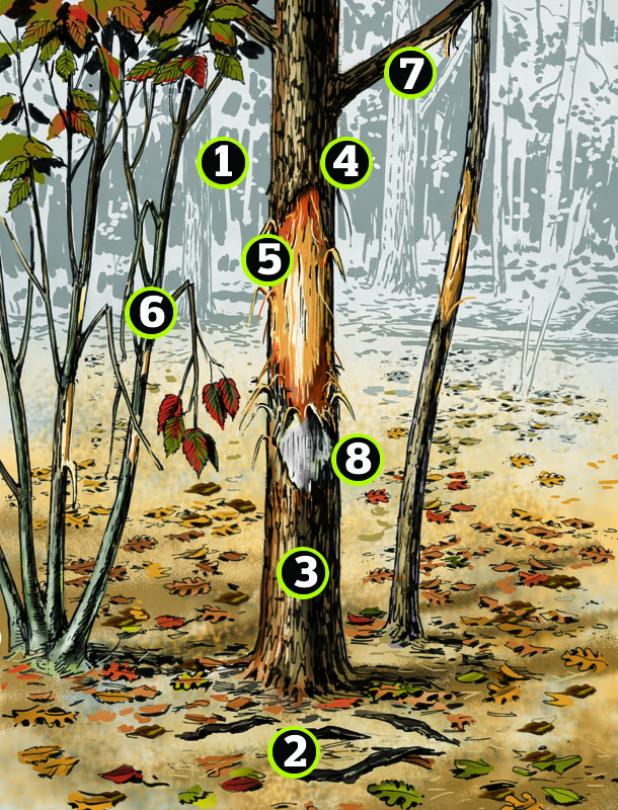 Whitetails What Rubs Can Tell You About Rack Size From fieldandstream.com
The process is normally completed within 24 hours. So hunters should realize that more times than not rubs are being formed by deer older than 15 years old. His only purpose of making a rub line is to simply remove that velvet. The first of these rubs are your older bucks removing the velvet which is triggered by their testosterone levels. I do not believe that for a minute. However once the rut is over big bucks will almost always return to their core areas.
But to dive into mature buck travel routes a little deeper I encourage you to.
Also rub lines can often reveal the way a buck was traveling. In fact if you take the time you should be able to locate exactly where the buck walks by locating the rub line he made. Some say he makes that rub line to navigate through the woods. Because we know this we can observe what side of the tree the rub is on and have a general idea which direction that buck is bedding. The time just prior to during and just after the does are standing for bucks in your area a span of about 10 days to two weeks is when hunters should use all of the tools the hunting industry has provided to draw in mature bucks. Though the bulk of this travel usually occurs after dark theres always a chance of catching a mature buck up and moving in daylight.
 Source: outdoorlife.com
It takes repeated attention from heavy-duty bucks to grind a tree into an hourglass shape so it should be worth the wait. Also rub lines can often reveal the way a buck was traveling. Thats typically when bucks lose their antler velvet a soft blood-rich tissue that covers growing antlers from late spring through summer. Once the rut comes on strong and the bucks start roaming and wide and chasing does they will abandon those patterns and the rubs will tell you very little. What a rub line does.
 Source: outdoorlife.com
The more of each the better your chances of harvesting a buck. Also rub lines can often reveal the way a buck was traveling. What is more important is finding the scrapes and checking to see how often they have been refreshed. What a rub line does. Sometimes the amount of rubs can also depend on the type or size of the trees in an area.
 Source: sk.pinterest.com
The time just prior to during and just after the does are standing for bucks in your area a span of about 10 days to two weeks is when hunters should use all of the tools the hunting industry has provided to draw in mature bucks. Over a three month period thats about a dozen rubs a day. It takes repeated attention from heavy-duty bucks to grind a tree into an hourglass shape so it should be worth the wait. The First Rubs. The more of each the better your chances of harvesting a buck.
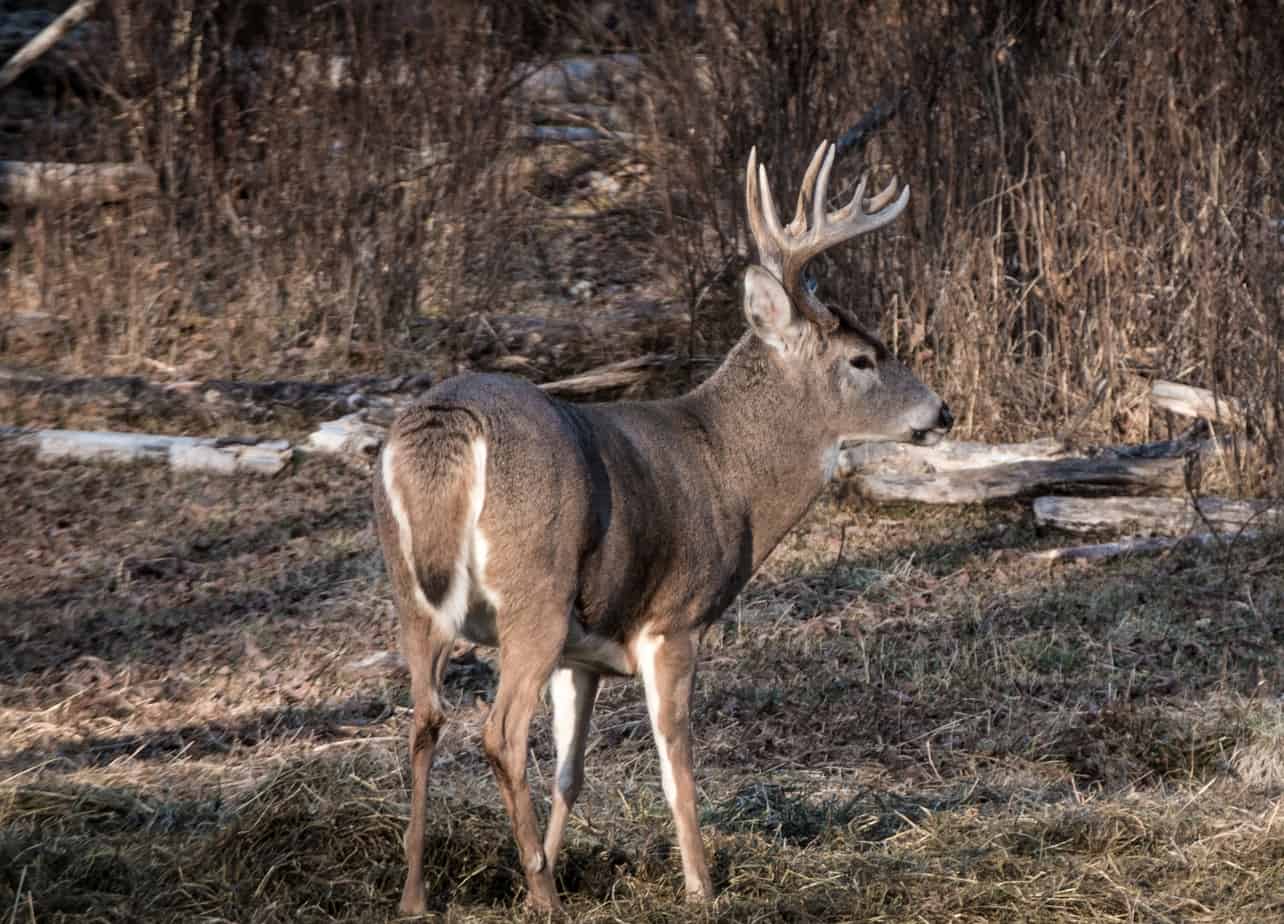 Source: bigdeerblog.com
Theyre not consistent spots for ambushing older bucks. Individual rubs along field edges tell you where a buck has been. What a rub line does. The more of each the better your chances of harvesting a buck. Throughout this growing period the bucks rack is fairly soft and flexible but it hardens to bone by late summer as the bucks testosterone levels start climbing.
 Source: fieldandstream.com
Most times all of them face the same direction. Once antlers are fully developed their. As I said earlier bucks rub their antlers on trees and saplings to remove the itchy velvet from their antlers. Finding these early rubs can. The number of rubs correlates with the age and breeding status of a buck as well as the buck to doe ratio in the area.
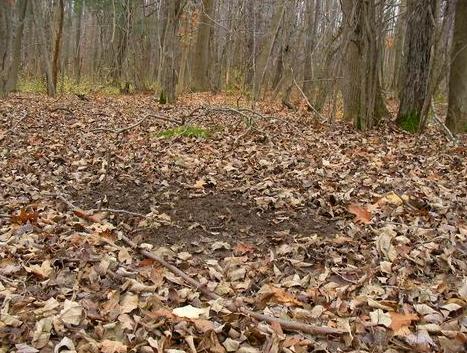 Source: outdoorcanada.ca
Once antlers are fully developed their. Bucks often select highly aromatic trees like pines and eastern red cedar to rub on and amazingly one buck can make an average of 300 to 400 rubs each fall. Though the bulk of this travel usually occurs after dark theres always a chance of catching a mature buck up and moving in daylight. Although a buck may not take over a similar route for 1-2 years you can count on another buck to pick up the same travel pattern typically within 2-3 years. Dont always expect rubs to be on trees and saplings they may also choose to rub.
 Source: realtree.com
Buck rubs sometimes appear in early to mid-September. Often where you find scraping youll find rubbing. If you find one set up on the downwind side and wait all day. The first of these rubs are your older bucks removing the velvet which is triggered by their testosterone levels. Many different bucks travelling in search of does will leave their scent on a traditional rub and often make scrapes on the ground beneath it.
 Source: pinterest.com
And the markings designate a bucks territory both visually and by scent deposited from the forehead glands. Community rubs are made in places like staging areas or the intersection of major trails where large numbers of bucks pass and add their scent typically on 3 to 6 inch trees. The fist rubs to be seen will appear on small saplings and brush and are very hard to see or detect. Also rub lines can often reveal the way a buck was traveling. In fact if you take the time you should be able to locate exactly where the buck walks by locating the rub line he made.
 Source: pinterest.com
A rub line along a trail back in the cover at this time of the season last week of October also tells you where a buck is likely to be in the future. Heres my understanding about rubs. Often where you find scraping youll find rubbing. Shedding occurs from late August through early October depending on the region. Throughout this growing period the bucks rack is fairly soft and flexible but it hardens to bone by late summer as the bucks testosterone levels start climbing.
 Source: realtree.com
Sometimes the amount of rubs can also depend on the type or size of the trees in an area. Some deer seem to love to rub on tees and others dont do it as often. This period is also the key time to be hunting rub lines. Throughout this growing period the bucks rack is fairly soft and flexible but it hardens to bone by late summer as the bucks testosterone levels start climbing. Most times all of them face the same direction.
 Source: realtree.com
The fist rubs to be seen will appear on small saplings and brush and are very hard to see or detect. It takes repeated attention from heavy-duty bucks to grind a tree into an hourglass shape so it should be worth the wait. They do have home rangesareas where they spend the majority of their timebut they show no evidence that they try to protect that home range from. It is likely that the bucks are using the other side of the cover away from the. Shedding occurs from late August through early October depending on the region.
 Source: grandviewoutdoors.com
Shedding occurs from late August through early October depending on the region. In fact if you take the time you should be able to locate exactly where the buck walks by locating the rub line he made. They do have home rangesareas where they spend the majority of their timebut they show no evidence that they try to protect that home range from. The time just prior to during and just after the does are standing for bucks in your area a span of about 10 days to two weeks is when hunters should use all of the tools the hunting industry has provided to draw in mature bucks. Most times all of them face the same direction.
 Source: pinterest.com
Locating a line of rubs usually made along a well-worn trail between the bedding and feeding area what I call a transition zone will be a prime ambush site. Look for fresh pawing marks where bucks have urinated in the scrape and dug the dirt up. If bucks were patrolling a territory making rubs to mark the edges of their range the GPS tracking data would bear that out but it does not. Often where you find scraping youll find rubbing. Thats typically when bucks lose their antler velvet a soft blood-rich tissue that covers growing antlers from late spring through summer.
 Source: fieldandstream.com
Many different bucks travelling in search of does will leave their scent on a traditional rub and often make scrapes on the ground beneath it. Dont always expect rubs to be on trees and saplings they may also choose to rub. Bucks occasionally rub brush or saplings to aid in removal of dried velvet from the antlers. If there arent many trees of the right size or type obviously you wont see as many rubs. Theyre not consistent spots for ambushing older bucks.
 Source: realtree.com
Individual rubs along field edges tell you where a buck has been. Thats typically when bucks lose their antler velvet a soft blood-rich tissue that covers growing antlers from late spring through summer. Most often by paying attention to the signs of the past the future can be predicted. Some deer seem to love to rub on tees and others dont do it as often. Buck rubs sometimes appear in early to mid-September.
 Source: outdoorlife.com
Bucks occasionally rub brush or saplings to aid in removal of dried velvet from the antlers. It takes repeated attention from heavy-duty bucks to grind a tree into an hourglass shape so it should be worth the wait. Bucks occasionally rub brush or saplings to aid in removal of dried velvet from the antlers. Now is when you can find fresh rubs almost daily and this can in turn help pinpoint a bucks most preferred travel routes. So it is uncertain how often a buck will check his own rubs if at all but other deer are likely to use it too.
Source: fieldandstream.com
Dont always expect rubs to be on trees and saplings they may also choose to rub. Often where you find scraping youll find rubbing. Older bucks make more rubs on average than younger ones and they usually choose aromatic tree species like this red cedar. These can be prime spots to simply tag out with an average buck. Most often by paying attention to the signs of the past the future can be predicted.
 Source: realtree.com
Some deer seem to love to rub on tees and others dont do it as often. Thats typically when bucks lose their antler velvet a soft blood-rich tissue that covers growing antlers from late spring through summer. It takes repeated attention from heavy-duty bucks to grind a tree into an hourglass shape so it should be worth the wait. He may have done it after dark. Shedding occurs from late August through early October depending on the region.
This site is an open community for users to do sharing their favorite wallpapers on the internet, all images or pictures in this website are for personal wallpaper use only, it is stricly prohibited to use this wallpaper for commercial purposes, if you are the author and find this image is shared without your permission, please kindly raise a DMCA report to Us.
If you find this site beneficial, please support us by sharing this posts to your own social media accounts like Facebook, Instagram and so on or you can also save this blog page with the title how often do bucks check their rubs by using Ctrl + D for devices a laptop with a Windows operating system or Command + D for laptops with an Apple operating system. If you use a smartphone, you can also use the drawer menu of the browser you are using. Whether it’s a Windows, Mac, iOS or Android operating system, you will still be able to bookmark this website.


