Your How to add mycorrhizae to soil images are available in this site. How to add mycorrhizae to soil are a topic that is being searched for and liked by netizens today. You can Get the How to add mycorrhizae to soil files here. Download all royalty-free photos and vectors.
If you’re looking for how to add mycorrhizae to soil pictures information linked to the how to add mycorrhizae to soil keyword, you have come to the ideal site. Our website frequently gives you hints for viewing the highest quality video and picture content, please kindly search and locate more informative video content and images that match your interests.
How To Add Mycorrhizae To Soil. They burrow into nooks and crannies in the soil and collect water and nutrients for the plants. Air and water are needed for this as well so a moist and aerated compost pile with plenty of brown and green material is a perfect breeding ground for beneficial bacteria. Taking care to water in well. Mycorrhizae remain in a symbiotic relationship with the plant for the entire plants life.
 Mycorrhiza Orchard Of Flavours From orchardofflavours.com
Mix a solution of Mycorrhizae with non-chlorinated water and add as a soil or root drench. Avoid rototilling the beds after the first growing season. Its a free country and you can spend your money on whatever you like but you wont find mycorrhizae. Follow application instructions for the proper concentration. They burrow into nooks and crannies in the soil and collect water and nutrients for the plants. If a treated plant goes through a bare-root phase the plant will.
Similar to granular products Mycorrhizae may be added every 10-14 days through plant establishment.
We also discuss myco. Mix a solution of Mycorrhizae with non-chlorinated water and add as a soil or root drench. Biopriming or seed soaking is a technique where a solution of Mycorrhizal FungiBiostimulants are made for seeds. When a plant is transplanted into a landscape the mycorrhizae join the soil ecosystem and change as it changes. In return the leaves of plants send sugars to the fungi as food. Home How To Add Mycorrhizae To Soil - Full Guide How to add Mycorrhizae to Soil.
 Source: howtoplantyourgarden.com
In return the leaves of plants send sugars to the fungi as food. This does not kill the mycorrhizae it just creates an environment in which the mycorrhizae do not germinate and grow and it is rendered ineffective. Many synthetic plant foods especially fast-acting liquids harm microbial activity in the soil and create fertilizer-dependent plants so we dont recommend using them. Then you get an honest trial. Mix a solution of Mycorrhizae with non-chlorinated water and add as a soil or root drench.
 Source: homesteadandchill.com
Mix a solution of Mycorrhizae with non-chlorinated water and add as a soil or root drench. Your garden will be inoculated with mycorrhizae naturally from falling leaves compost and wood chip mulch. Applying Mycorrhizae to the Root Ball. Direct application of local samples often yields a low. Justin Fruechte Forage and Cover Crop Specialist at Millborn Seeds discusses the process of using Mycorrhizal Applications MycoApply Ultrafine Endo powde.
 Source: volterra.bio
When a plant is transplanted into a landscape the mycorrhizae join the soil ecosystem and change as it changes. Stephen Legaree and I discuss mycorrhizae - what they are how they benefit plants and how to increase their numbers and effectiveness. Phosphorus levels above 10 ppm in the soil solution will impact the growth and establishment of mycorrhizae. Another awesome way to add mycorrhizae to soil is to mix up a water-soluble mycorrhizae product and water it. Why not stop there.
 Source: bonsai-shop.com
Many synthetic plant foods especially fast-acting liquids harm microbial activity in the soil and create fertilizer-dependent plants so we dont recommend using them. They burrow into nooks and crannies in the soil and collect water and nutrients for the plants. Reapplications can be done to ensure continued maximum impact for longer-term perennial plants. How to Use Mycorrhizae in the Garden One option is to sprinkle granular mycorrhizae directly on the root ball or in the planting hole when transplanting new. Follow application instructions for the proper concentration.
 Source: edrosenthal.com
Home How To Add Mycorrhizae To Soil - Full Guide How to add Mycorrhizae to Soil. Direct application of local samples often yields a low. Adding Mycorrhizae to your Soil. There are thousands of organisms that live in the soil. Most annual plants only require one application.
 Source: homesteadandchill.com
Home How To Add Mycorrhizae To Soil - Full Guide How to add Mycorrhizae to Soil. Applying Mycorrhizae to the Root Ball. When a plant is transplanted into a landscape the mycorrhizae join the soil ecosystem and change as it changes. Reapplications can be done to ensure continued maximum impact for longer-term perennial plants. Justin Fruechte Forage and Cover Crop Specialist at Millborn Seeds discusses the process of using Mycorrhizal Applications MycoApply Ultrafine Endo powde.
 Source: homesteadandchill.com
We recommend 3 scoops of Start for every 4 liters of soil. The easiest way to make mycorrhizal inoculant is to get it from a nearby plant. Simply take an infected plants root area and place it close to another plants roots to inoculate. If youve been gardening long then you probably know that earthworms are a sign that your garden soil. How to Use Mycorrhizae in the Garden One option is to sprinkle granular mycorrhizae directly on the root ball or in the planting hole when transplanting new.
 Source: sciencedirect.com
There are thousands of organisms that live in the soil. Another awesome way to add mycorrhizae to soil is to mix up a water-soluble mycorrhizae product and water it. Applying Mycorrhizae to the Root Ball. Taking care to water in well. Reapplications can be done to ensure continued maximum impact for longer-term perennial plants.
 Source: sciencedirect.com
Do your trials with the same soil and fertilizer for multiple plants with the only difference being mycorrhizae or no mycorrhizae. Novascapes In general grasses flowers vegetables and the like use Endo mycorrhizae. This will distribute the fungus throughout your soil working with new roots to collect more water and nutrients. Most annual plants only require one application. Then you get an honest trial.
 Source: cell.com
Novascapes In general grasses flowers vegetables and the like use Endo mycorrhizae. Direct application of local samples often yields a low. Mix a solution of Mycorrhizae with non-chlorinated water and add as a soil or root drench. Mycorrhizae remain in a symbiotic relationship with the plant for the entire plants life. If a treated plant goes through a bare-root phase the plant will.
 Source: homesteadandchill.com
There are thousands of organisms that live in the soil. This will distribute the fungus throughout your soil working with new roots to collect more water and nutrients. Justin Fruechte Forage and Cover Crop Specialist at Millborn Seeds discusses the process of using Mycorrhizal Applications MycoApply Ultrafine Endo powde. The easiest way to make mycorrhizal inoculant is to get it from a nearby plant. Most annual plants only require one application.
 Source: volterra.bio
Your garden will be inoculated with mycorrhizae naturally from falling leaves compost and wood chip mulch. This does not kill the mycorrhizae it just creates an environment in which the mycorrhizae do not germinate and grow and it is rendered ineffective. If a treated plant goes through a bare-root phase the plant will. There are thousands of organisms that live in the soil. Then you get an honest trial.
 Source: toolbox.coffeeandclimate.org
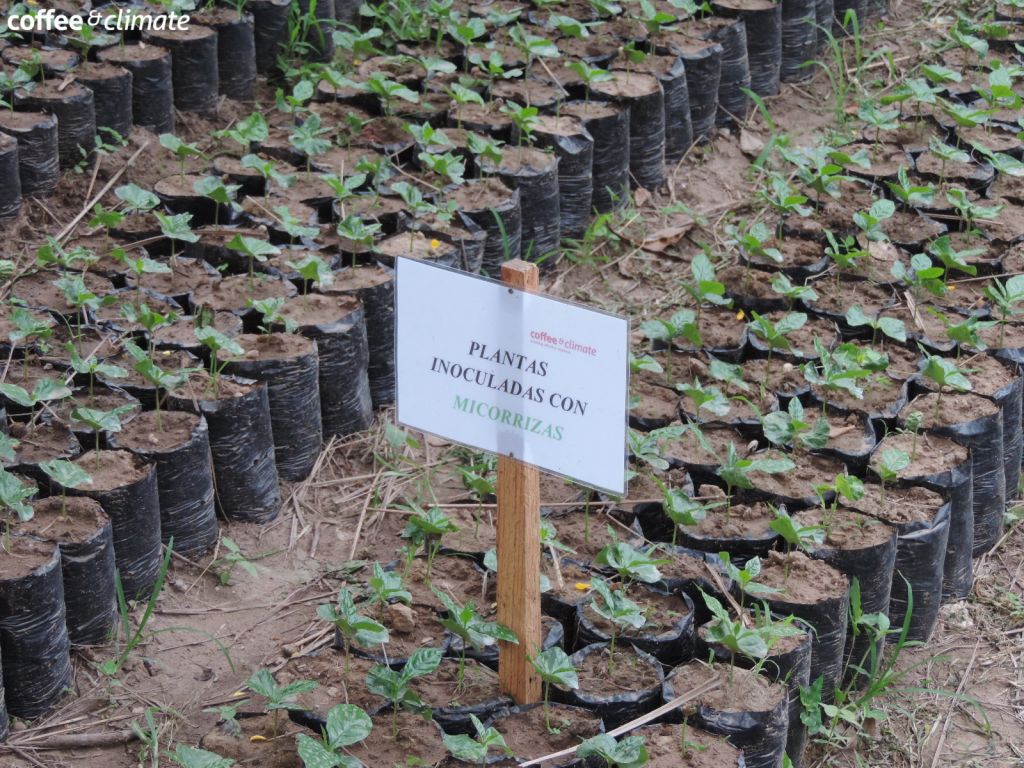
Applying Mycorrhizae to the Root Ball. Simply take an infected plants root area and place it close to another plants roots to inoculate. Living Things in the Soil. If a treated plant goes through a bare-root phase the plant will. There are countless types of bacteria fungi other microorganisms and insects that live in the soil.
 Source: nph.onlinelibrary.wiley.com
Do your trials with the same soil and fertilizer for multiple plants with the only difference being mycorrhizae or no mycorrhizae. Another awesome way to add mycorrhizae to soil is to mix up a water-soluble mycorrhizae product and water it. Then you get an honest trial. Mix a solution of Mycorrhizae with non-chlorinated water and add as a soil or root drench. We also discuss myco.
 Source: besjournals.onlinelibrary.wiley.com
This will distribute the fungus throughout your soil working with new roots to collect more water and nutrients. There are countless types of bacteria fungi other microorganisms and insects that live in the soil. In return the leaves of plants send sugars to the fungi as food. This does not kill the mycorrhizae it just creates an environment in which the mycorrhizae do not germinate and grow and it is rendered ineffective. Applying Mycorrhizae to the Root Ball.
 Source: homesteadandchill.com
Mycorrhizae remain in a symbiotic relationship with the plant for the entire plants life. Simply take an infected plants root area and place it close to another plants roots to inoculate. Its a free country and you can spend your money on whatever you like but you wont find mycorrhizae. The easiest way to make mycorrhizal inoculant is to get it from a nearby plant. Tilling harms the mycorrhizal environment.
 Source: volterra.bio
The easiest way to make mycorrhizal inoculant is to get it from a nearby plant. Simply take an infected plants root area and place it close to another plants roots to inoculate. How to Use Mycorrhizae in the Garden One option is to sprinkle granular mycorrhizae directly on the root ball or in the planting hole when transplanting new. Mix Reefertilizer Start or other mycorrhizae product directly into your soil mix. Stephen Legaree and I discuss mycorrhizae - what they are how they benefit plants and how to increase their numbers and effectiveness.
Source: orchardofflavours.com
Given this important association it is natural for one to think that it would be beneficial to add more mycorrhizal fungi to the soil. If a treated plant goes through a bare-root phase the plant will. They burrow into nooks and crannies in the soil and collect water and nutrients for the plants. Many synthetic plant foods especially fast-acting liquids harm microbial activity in the soil and create fertilizer-dependent plants so we dont recommend using them. There are thousands of organisms that live in the soil.
This site is an open community for users to submit their favorite wallpapers on the internet, all images or pictures in this website are for personal wallpaper use only, it is stricly prohibited to use this wallpaper for commercial purposes, if you are the author and find this image is shared without your permission, please kindly raise a DMCA report to Us.
If you find this site helpful, please support us by sharing this posts to your own social media accounts like Facebook, Instagram and so on or you can also bookmark this blog page with the title how to add mycorrhizae to soil by using Ctrl + D for devices a laptop with a Windows operating system or Command + D for laptops with an Apple operating system. If you use a smartphone, you can also use the drawer menu of the browser you are using. Whether it’s a Windows, Mac, iOS or Android operating system, you will still be able to bookmark this website.


